A Step-by-Step Guide to Turning Clutter Into Cash
Garage sales are one of the fastest and easiest ways to clean out your home while making extra money. But successful garage sales don’t happen by accident. The best sales are organized, well-advertised, and easy for shoppers to browse.
Whether you want to earn a few hundred dollars or completely declutter your house, this guide will walk you through every step of planning and hosting a profitable garage sale.
Step 1: Set a Goal for Your Garage Sale
Before you start dragging boxes into the driveway, decide what success looks like for you.
Ask yourself:
- Do you want to make as much money as possible?
- Do you mainly want to get rid of clutter?
- Are you saving for something specific?
- Are you combining sales with family or neighbors?
Having a goal helps determine:
- Pricing strategy
- What items to sell
- Whether to negotiate aggressively
- How much effort to put into advertising
Step 2: Pick the Right Date
Timing matters more than most people realize.
Best Days
- Friday and Saturday mornings usually perform best
- Spring and early summer attract the biggest crowds
- Avoid major holidays and local events
Best Times
Start early:
- 7:00 AM – 8:00 AM is ideal
Serious garage sale shoppers often begin hunting before sunrise.
Step 3: Gather and Organize Your Items
Go room by room through your house.
Look for:
- Clothes
- Toys
- Tools
- Kitchen items
- Home décor
- Electronics
- Books
- Furniture
- Sports equipment
Important Rule
If you haven’t used it in a year, consider selling it.
Step 4: Clean Everything
Clean items sell faster and for more money.
Take time to:
- Wipe dust off furniture
- Wash clothing
- Clean toys
- Untangle cords
- Test electronics
Presentation makes a huge difference.
A clean $5 item often sells faster than a dirty $20 item.
Step 5: Price Items Clearly
Nothing slows down a garage sale faster than shoppers constantly asking prices.
Tips for Pricing
- Use bright price stickers
- Round prices to easy amounts
- Group inexpensive items together
Examples:
- Books: $1 each
- Shirts: $2–$5
- Toys: $1–$10
- Small appliances: 25–50% of retail value
Pro Tip
Price items slightly higher than your minimum acceptable amount because shoppers love negotiating.
Step 6: Advertise Your Sale
Advertising is one of the biggest keys to success.
Best Places to Advertise
- Facebook Marketplace
- Local Facebook groups
- Craigslist
- Neighborhood apps
- Community bulletin boards
Include:
- Date and time
- Address
- Photos
- Popular items
- “Multi-family sale” if applicable
Example Headline
“BIG Multi-Family Garage Sale – Tools, Furniture, Baby Items & Electronics!”
Good photos attract far more shoppers.
Step 7: Make Signs That Actually Work
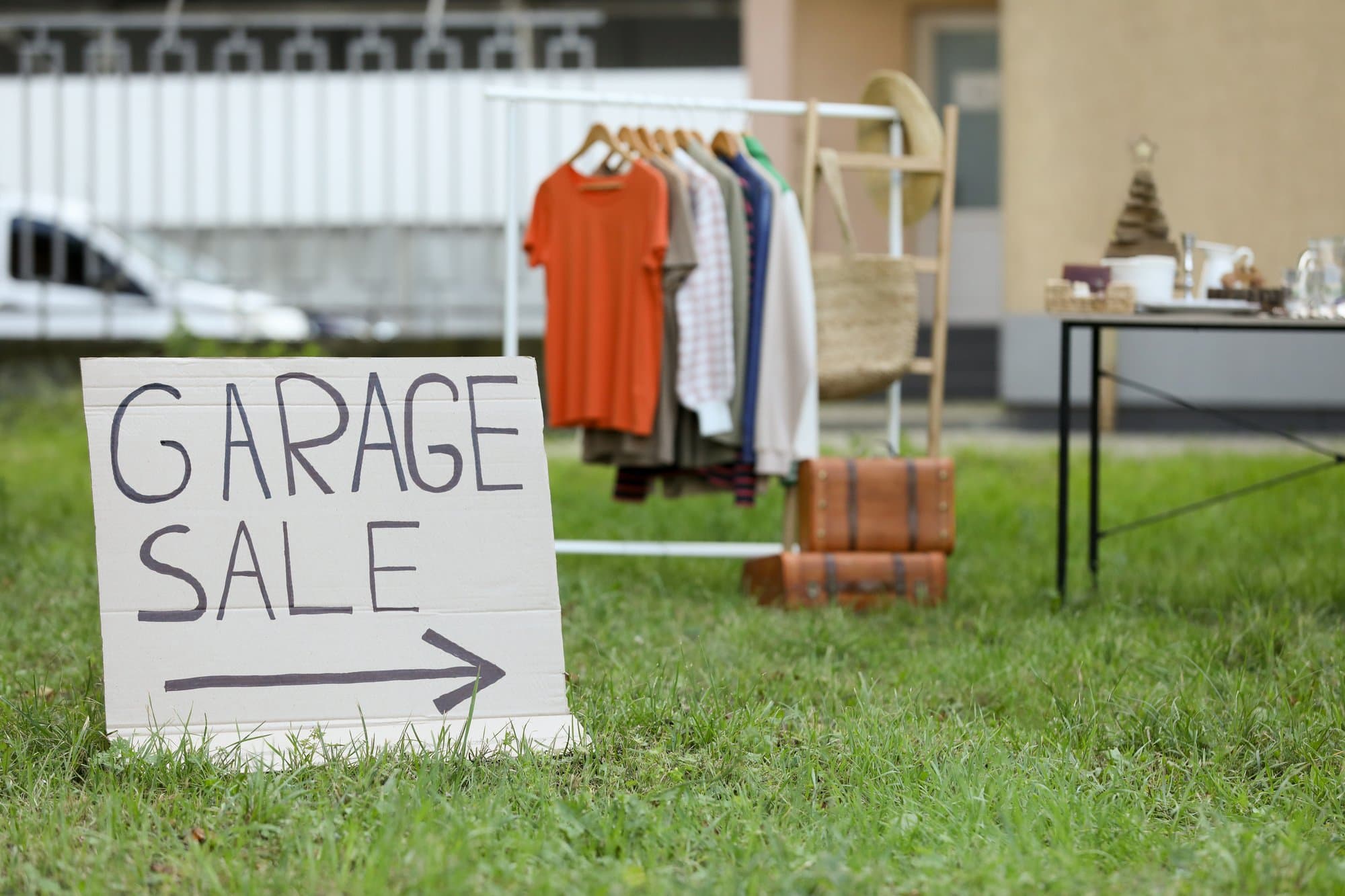
Your signs should be:
- Large
- Bright
- Easy to read from a distance
Include:
- Big arrows
- Short wording
- Thick dark lettering
Avoid tiny handwriting.
Place signs:
- At major intersections
- Near neighborhood entrances
- Close to turns
Step 8: Set Up Like a Store
A messy sale loses money.
Arrange Items Neatly
- Put clothes on racks if possible
- Group similar items together
- Place expensive items near checkout
- Keep walkways open
Display Tips
Use:
- Tables
- Blankets
- Shelves
- Plastic bins
Keep items off the ground when possible.
Step 9: Create a Friendly Shopping Experience
People buy more when they feel comfortable.
Do:
- Greet shoppers
- Smile
- Be helpful without hovering
- Play light background music
Don’t:
- Follow shoppers around
- Pressure people to buy
- Argue over prices
Friendly sellers usually make more money.
Step 10: Be Ready for Negotiation
Garage sale shoppers expect to bargain.
Smart Negotiation Tips
- Stay flexible
- Bundle items together
- Offer discounts later in the day
Examples:
- “Take all 3 for $10.”
- “Everything half off after noon.”
Remember:
Making some money is usually better than dragging items back into the house.
Step 11: Prepare for Payments
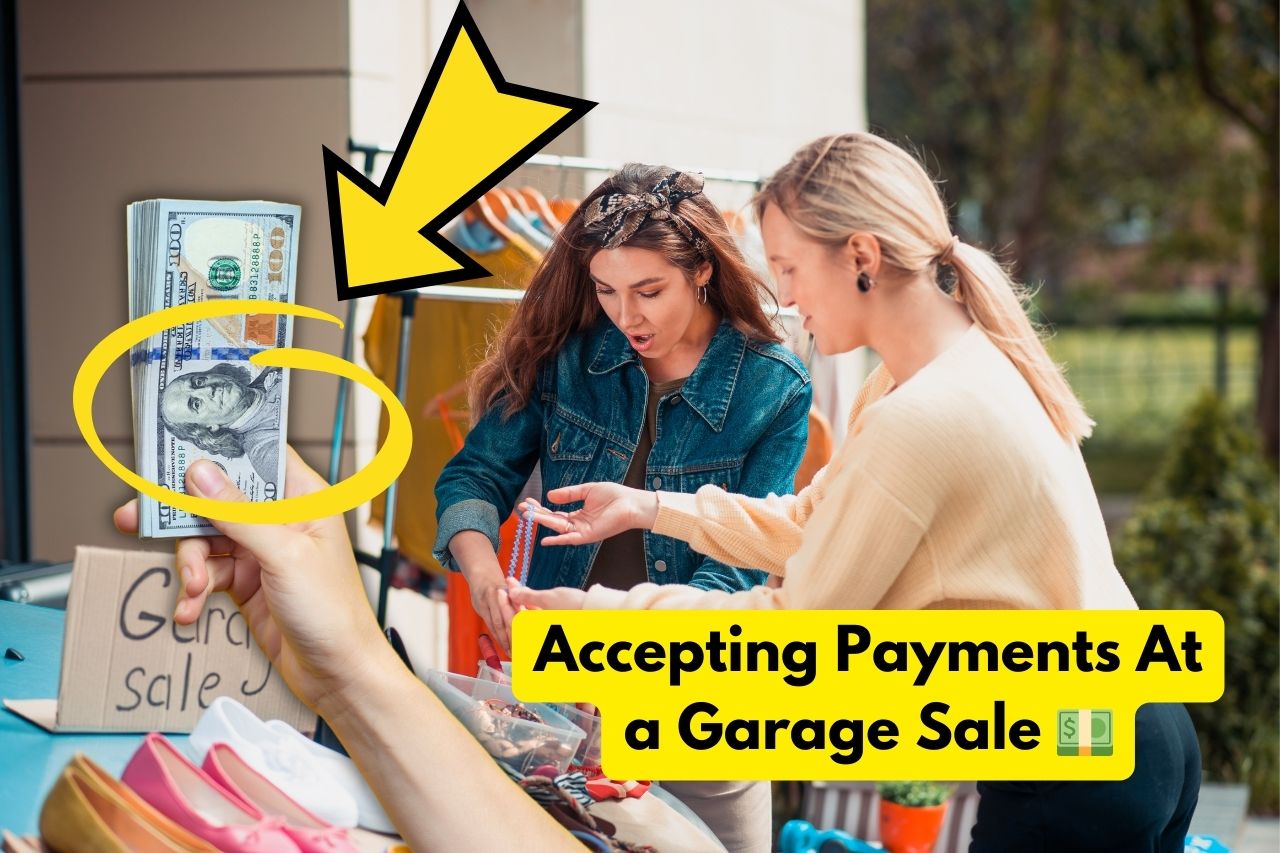
Many shoppers still use cash, but digital payments are becoming common.
Have:
- Plenty of $1 bills and quarters
- A cash box or apron
- Mobile payment options like:
- Venmo
- Cash App
- PayPal
The easier you make paying, the more sales you’ll close.
Step 12: Keep Expensive Items Safe
Avoid placing valuable items too close to the road.
For expensive items:
- Keep them near checkout
- Test electronics in front of buyers
- Avoid leaving cash unattended
If possible, have another person helping during busy times.
Step 13: Offer Discounts Near the End
The final few hours are perfect for clearing inventory.
Ideas:
- “Fill a bag for $5”
- “Everything 50% off”
- “Free items by curb”
Your goal is to avoid hauling things back inside.
Step 14: Donate or Dispose of Leftovers Quickly
After the sale:
- Donate remaining items
- Schedule a charity pickup
- Recycle broken items
- Toss true junk immediately
Finishing the cleanup quickly gives you a real sense of accomplishment.
Bonus Tips for a Highly Successful Garage Sale
Sell Drinks and Snacks
Cold bottled water or baked goods can add extra profit.
Use Extension Cords
Allow buyers to test electronics.
Have Shopping Bags Ready
People buy more when carrying items is easy.
Start With Plenty of Merchandise
Full-looking sales attract more attention.
Combine With Neighbors
Multi-family sales draw larger crowds.
Common Garage Sale Mistakes to Avoid
Overpricing
People come to garage sales for deals.
Poor Advertising
Even amazing sales fail if nobody knows about them.
Disorganization
Messy displays reduce browsing time.
Starting Late
Early shoppers are often the biggest spenders.
Refusing to Negotiate
Flexibility increases total profit.
Final Thoughts
A successful garage sale is about preparation, presentation, and pricing. When shoppers can easily find your sale, browse comfortably, and feel like they’re getting a bargain, your chances of success increase dramatically.
With the right planning, your clutter can become cash — and your home can feel cleaner and more organized at the same time.
The key is simple:
Start early, stay organized, price fairly, and make shopping easy.